Electric winch motor cooling and heat
In short
- An electric winch motor turns some of its electrical power into heat, and how well it sheds that heat sets the real limit on what the winch can do.
- The insulation class states how hot the windings may safely get, and the cooling method decides how fast the heat leaves, together with the ambient temperature of the site.
- Matching the motor, its cooling and its insulation class to the duty and the surroundings is what keeps a winch from overheating and gives it a long life.
Unlike a hydraulic or air winch, an electric winch is limited as much by heat as by strength. The motor converts electrical power into the work of turning the drum, but some of that power always becomes heat in the windings, and if the heat builds up faster than it can escape, the motor temperature climbs until the insulation is at risk. So an electric winch is not only rated for the load it can pull but for the heat it can shed, and understanding cooling, insulation class and the temperature around it is the key to a winch that works hard for years rather than burning out under a duty it was never able to sustain.
Why an electric motor makes heat
No motor is perfectly efficient. Resistance in the windings, losses in the iron and friction all turn a fraction of the input power into heat, and the harder the motor works the more heat it makes. At a steady, modest load the heat produced and the heat lost reach a balance at a safe temperature. Push the load or the running time and the heat produced rises, the balance shifts upward, and the windings run hotter. This is normal and designed for, but it is also the reason an electric winch has limits that a stronger power supply alone cannot lift: the limit is thermal, not just mechanical.
How motors shed their heat
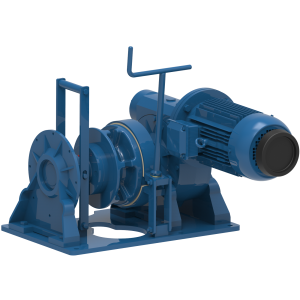
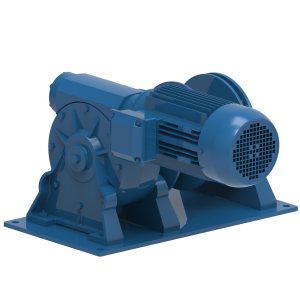
A motor loses its heat to the air around it, and the cooling method decides how effectively. Many winch motors are fan cooled, with a fan on the shaft blowing air over the casing so heat leaves faster as the motor turns. Others rely on the natural flow of air over their surface, simpler but slower to cool. Totally enclosed motors keep dust and water out but must shed heat through the casing, which is why their design balances protection against cooling. The cooling method, more than the raw motor size, often sets how long and how hard the winch can run before heat becomes the limit.
| Insulation class | Max winding temperature | Meaning |
| Class B | About 130 C | Common, modest margin |
| Class F | About 155 C | Widely used, good margin |
| Class H | About 180 C | High, for hot or hard duty |
| Effect | More margin | Longer life, harder duty |
Insulation class: how hot is safe
The windings are protected by insulation, and the insulation class states the temperature it can withstand over a long life. Common classes rise from B at around 130 degrees, through F at around 155, to H at around 180, each allowing the windings to run hotter without the insulation degrading. A higher class is not about more power directly; it is about more thermal margin, which lets the motor tolerate hotter running, a hotter site or a harder duty without shortening its life. Specifying a suitable class is one of the quiet decisions that decides whether a winch survives its real working temperature comfortably or lives close to its limit.
Duty cycle and the heat that builds up
Heat is cumulative, which is why the winch's duty cycle, the pattern of work and rest, matters so much. A winch that pulls hard for short spells and rests between them lets the heat dissipate, staying cool. One that hauls steadily for long periods gives the heat no time to escape, so the windings climb toward their limit. This is the same thermal story behind the rated duty cycle, covered in our note on duty cycle: the motor and its cooling are sized for the real pattern of work, not just the peak pull, because it is the accumulated heat over time that overheats a motor, not a single hard lift.
Ambient temperature and altitude
A motor sheds its heat into the surrounding air, so how warm that air is changes everything. The same winch that runs cool in a temperate workshop can run much hotter in a hot climate or a confined, poorly ventilated space, because the heat has less of a temperature gap to escape into. High altitude thins the air and reduces cooling too. A motor rated for a moderate ambient may need derating, more cooling or a higher insulation class to do the same work in a hot or enclosed place. The site temperature is part of the specification, not a detail, and ignoring it is a common reason winches run hotter than expected.
Thermal protection that saves the motor
Because heat is the danger, electric winch motors are usually fitted with thermal protection that watches the winding temperature and trips the motor before the insulation is harmed. This may be a thermal sensor embedded in the windings or an overload device, and its job is to stop the motor if heat climbs too far, whether from overloading, a stall, a failed fan or a hot day. Far from a nuisance, this protection is what saves an expensive motor from a single overheating event, and a winch that trips on heat is telling you the duty or the cooling needs attention rather than that the protection should be bypassed.
The tension between protection and cooling
Protecting a motor from dust and water and cooling it well pull in opposite directions, and good design balances them. A tightly sealed enclosure with a high IP rating keeps the weather out but makes it harder for heat to escape, the subject of our note on IP rating and enclosure. An open, well ventilated motor cools easily but lets in dust and damp. The right answer matches both to the site: enough protection for the conditions, enough cooling for the duty, and an insulation class with margin for whichever way the balance leans. Treating sealing and cooling together, not separately, is what gives a winch that is both protected and able to run its duty.
Matching cooling to the duty
The honest way to specify is to describe the real work and the real place. Long, steady, heavy hauling in a hot or enclosed spot asks for generous cooling and a high insulation class; short, intermittent pulls in a cool, open workshop ask far less. The load, the running pattern, the ambient temperature and the enclosure are weighed together, so the motor, its cooling and its insulation class suit the duty with margin rather than living at the edge. Get this right and heat never becomes the limiting factor; get it wrong and a perfectly strong winch overheats on a duty its mechanics could easily handle.
Specifying a winch that runs cool with us
We size the motor, its cooling and its insulation class for the duty and the site, so heat is never the weak point. See the range in our winch catalogue, and read how the duty cycle, the power supply and the enclosure all bear on running temperature. Tell us the load, the running pattern and how hot and confined the site is, and we will specify a winch that sheds its heat comfortably rather than one that lives close to its thermal limit.
Frequently asked questions
Why does heat limit an electric winch?
The motor turns some of its power into heat in the windings, and if heat builds up faster than it escapes, the temperature climbs until the insulation is at risk. So an electric winch is limited by the heat it can shed, not only by the load it can pull; the limit is thermal as well as mechanical.
What does the insulation class mean?
The insulation class states how hot the windings may safely get over a long life, rising from class B at around 130 degrees through F at 155 to H at 180. A higher class gives more thermal margin, letting the motor tolerate a hotter site or harder duty without shortening its life.
Does the site temperature affect the winch?
Yes. A motor sheds heat into the surrounding air, so a hot climate, a confined space or high altitude all reduce cooling and make the motor run hotter. A motor rated for a moderate ambient may need derating, more cooling or a higher insulation class to do the same work in a hot or enclosed place.
Why does my winch trip on overheating?
Thermal protection trips the motor before the windings are harmed, whether from overloading, a stall, a failed fan or a hot day. It is saving the motor, not failing. A winch that trips on heat is telling you the duty or the cooling needs attention, not that the protection should be bypassed.